Stay informed on the latest Truth Social posts from Donald Trump (@realDonaldTrump) without the doomscrolling. Consider it a public service for your mental health. (Why?)

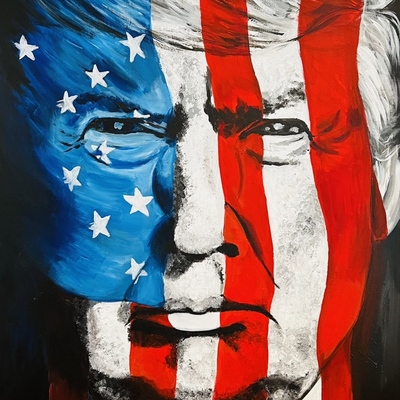
- Inflation under Biden averaged nearly 5%, hitting 9.1% during the worst inflation crisis in decades.
- Inflation under Trump dropped to an average of just 2.7%.
- The period under Trump saw the first overall price decline since 2020.
The post highlights inflation trends under two different presidential administrations, positioning inflation as a critical economic issue. Discussions around inflation directly influence Federal Reserve monetary policy expectations, which in turn impact corporate profitability, consumer spending, and ultimately equity valuations like the S&P 500. The narrative suggests contrasting economic management approaches regarding inflation, which could influence investor sentiment about future economic stability depending on the election outcome.
The post is focused on a domestic economic comparison of inflation under different administrations, without any mention of international relations, conflicts, or military implications.
- Commodities: The post discusses past inflation trends, which indirectly influence expectations for future inflation and central bank actions. Sustained high inflation (as attributed to Biden) would typically support gold as an inflation hedge (XAU/USD rise), while falling inflation (as attributed to Trump) might reduce this demand. Oil prices react to broader economic health and geopolitical stability, which are only very indirectly implied here. This post primarily reinforces existing narratives rather than creating new commodity-specific drivers. Short-Term Watchlist: XAU/USD price action, oil inventory reports, headlines on Iran/OPEC. Medium-Term Focus: Inflation trends, Fed policy, China industrial data, USD trajectory.
- Currencies (Forex): The narrative of contrasting inflation performance could influence long-term perceptions of US economic management. A perception of better inflation control (under Trump) might strengthen the USD by suggesting more stable economic conditions or more effective policy, while high inflation (under Biden) could erode USD purchasing power. However, this is not an immediate policy announcement. Short-Term Watchlist: Fed speakers, Treasury yields, global risk sentiment. Medium-Term Focus: Central bank divergence (Fed vs ECB/BoJ), global growth differentials, dollar liquidity cycles.
- Global Equities: The post offers a political argument about economic stewardship, specifically regarding inflation. A perception of strong inflation control (under Trump) could be seen as positive for corporate earnings stability and consumer confidence, supporting equity markets (S&P 500, Nasdaq). Conversely, a narrative of high inflation (under Biden) implies headwinds for equities through higher interest rates and reduced consumer purchasing power. The impact is primarily on sentiment related to future economic policy. Short-Term Watchlist: Futures open, VIX spike/dip, FANG/semis/defense sectors. Medium-Term Focus: Earnings revisions, macro data (ISM, PMI), global capital flows, geopolitical overhangs.
- Fixed Income (Bonds): The claims about inflation directly bear on bond market expectations. If inflation is perceived to be high (Biden's tenure), it suggests the Federal Reserve would need to maintain tighter monetary policy or could lead to expectations of higher future interest rates, potentially pushing US 10Y and 2Y yields higher. Conversely, a narrative of falling inflation (Trump's tenure) might suggest less pressure on the Fed to hike, potentially leading to lower yields or increased demand for bonds. Short-Term Watchlist: UST 10Y yield levels, TED spread, credit ETF flows (e.g., HYG). Medium-Term Focus: Fed dot plots, fiscal concerns, debt ceiling rhetoric, economic surprise indices.
- Volatility / Derivatives: The post itself is unlikely to cause a direct spike in the VIX or immediate volatility unless it's interpreted as a precursor to a significant, unexpected policy shift. It's more about reinforcing an existing political/economic debate. However, heightened political rhetoric around economic performance can contribute to general market uncertainty over the medium term. Short-Term Watchlist: VIX levels vs VIX futures term structure, 0DTE flow, SKEW index. Medium-Term Focus: Volatility regime shifts, macro policy uncertainty, systemic tail risk (e.g., elections, war).
- Crypto / Digital Assets: Crypto assets, particularly Bitcoin, often react to macro liquidity conditions, inflation expectations, and risk sentiment. A narrative of rising inflation (under Biden) might intermittently boost Bitcoin as a perceived hedge against fiat debasement, while a narrative of falling inflation (under Trump) could lead to less demand for such hedges, or conversely, a more stable macro environment could be positive for all risk assets, including crypto. The primary driver here would be the indirect impact on Fed policy expectations and overall risk appetite. Short-Term Watchlist: BTC/USD, Coinbase order book activity, funding rates, ETH correlation. Medium-Term Focus: Regulatory news, stablecoin flows, ETH upgrade progress, macro liquidity backdrop.
- Cross-Asset Correlations and Systemic Risk: The post's focus on inflation data and economic performance is a significant macro theme. Shifts in inflation expectations can alter traditional cross-asset correlations (e.g., between bonds and equities). While this post doesn't signal immediate systemic risk, it contributes to the broader economic narrative that can shape market conditions over time. Short-Term Watchlist: MOVE index, junk bond ETFs, gold/USD co-movement. Medium-Term Focus: Shadow banking risk, central bank intervention, market plumbing stress.
- Retail Sentiment / Market Psychology: The post is highly political and targets general economic sentiment. It could reinforce existing political biases among retail investors regarding economic performance. Such posts can influence perceptions of economic leadership, which can indirectly affect retail confidence and investment decisions, especially during an election cycle. Short-Term Watchlist: GME/AMC volume, Twitter/X trends, Reddit sentiment, TikTok mentions. Medium-Term Focus: Social media influence on market structure, potential for coordinated retail pushes, policy/regulatory crackdown on retail trading behavior.