Stay informed on the latest Truth Social posts from Donald Trump (@realDonaldTrump) without the doomscrolling. Consider it a public service for your mental health. (Why?)

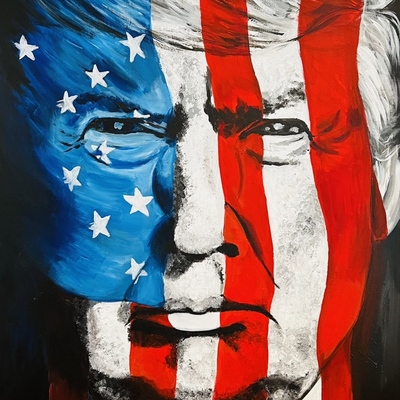
- Donald Trump is identified as 'Mister Tariff'.
- The post communicates a commitment to tariff-based trade policies.
The explicit identification with 'Mister Tariff' signals a strong commitment to tariff policies. Tariffs directly impact corporate earnings, supply chain costs, and consumer spending, which are significant drivers for S&P 500 performance. Sectors heavily involved in international trade, such as manufacturing, technology, and retail, would be particularly affected by changes in trade policy.
The post signals an assertive trade policy through tariffs, which can lead to economic friction and disputes with other nations. This approach could strain diplomatic relations and provoke retaliatory measures, elevating the potential for international economic tension, though it does not contain direct military threats.
- Commodities: Tariffs could lead to reduced global trade volumes and manufacturing output, potentially decreasing demand for industrial commodities like oil and copper. However, the potential for supply chain disruptions and inflationary pressures might boost gold as an inflation hedge and safe haven. Short-Term Watchlist: XAU/USD price action, oil inventory reports, headlines on trade negotiations/escalations. Medium-Term Focus: Inflation trends, central bank policies in response to trade, global manufacturing PMIs.
- Currencies (Forex): Aggressive tariff policies could strengthen the US Dollar by prioritizing domestic demand and potentially re-routing capital flows. A global economic slowdown resulting from trade friction might also boost the USD as a safe-haven currency. Currencies of countries targeted by tariffs or heavily reliant on exports could weaken. Short-Term Watchlist: Fed speakers on trade impacts, Treasury yields, global risk sentiment, specific tariff announcements. Medium-Term Focus: Central bank divergence (Fed vs. others), trade balance data, global growth differentials.
- Global Equities: Tariffs generally exert negative pressure on global equities due to increased costs, reduced profits for multinational corporations, and heightened market uncertainty. The S&P 500 could face headwinds from corporate earnings reductions. Export-oriented markets, such as those in Germany, Japan, and China, could experience significant declines. Short-Term Watchlist: Futures open, VIX spike, earnings reports from affected companies, sector rotation (e.g., domestic-focused vs. international). Medium-Term Focus: Earnings revisions, macro data (trade balance, industrial production), global capital flows.
- Fixed Income (Bonds): An initial flight to safety is possible, potentially pushing down US Treasury yields. However, if tariffs lead to significant inflation, bond yields could rise. The yield curve might flatten or invert depending on the balance between growth concerns and inflation expectations. Credit spreads could widen in times of increased economic stress. Short-Term Watchlist: UST 10Y yield levels, TED spread, credit spread movements, demand for safe-haven bonds. Medium-Term Focus: Fed dot plots, fiscal concerns related to trade revenue, economic surprise indices reflecting trade impacts.
- Volatility / Derivatives: A strong stance on tariffs introduces significant policy uncertainty and geopolitical risk, which is highly likely to increase market volatility across asset classes. The VIX (Volatility Index) would likely spike in response to heightened trade tensions and uncertainty. Short-Term Watchlist: VIX levels vs VIX futures term structure, options positioning for major indices. Medium-Term Focus: Volatility regime shifts, macro policy uncertainty, systemic tail risk from trade wars.
- Crypto / Digital Assets: Bitcoin and other cryptocurrencies might behave as a risk-on asset, declining in value alongside equities due to global economic slowdown concerns. Alternatively, they could be perceived as a hedge against traditional financial system instability or inflation if tariffs spark significant inflationary pressures. Short-Term Watchlist: BTC/USD price action, Coinbase order book activity, correlation with tech stocks/Nasdaq. Medium-Term Focus: Regulatory news (impact on crypto adoption), macro liquidity backdrop, perception of crypto as an inflation hedge.
- Cross-Asset Correlations and Systemic Risk: Elevated trade tensions could lead to a breakdown in normal correlations (e.g., bonds and equities selling off simultaneously), signaling systemic stress in financial markets. Liquidity could tighten, and margin calls might become more prevalent if market participants face unexpected losses. Short-Term Watchlist: MOVE index, junk bond ETFs, gold/USD co-movement, interbank lending rates. Medium-Term Focus: Shadow banking risk, central bank intervention potential, market plumbing stress from capital repatriation/flows.
- Retail Sentiment / Market Psychology: The clear 'Mister Tariff' label could rally retail investors who support protectionist policies, but generally, increased uncertainty from tariffs tends to make retail investors more cautious or reactive to daily headlines. There is potential for speculative activity in sectors perceived as 'winners' or 'losers' from tariff policies. Short-Term Watchlist: Social media trends (Twitter/X, Reddit) related to trade wars, mentions of specific companies or sectors impacted by tariffs. Medium-Term Focus: Social media influence on market structure, potential for coordinated retail pushes on specific stocks, regulatory scrutiny regarding retail trading behavior.